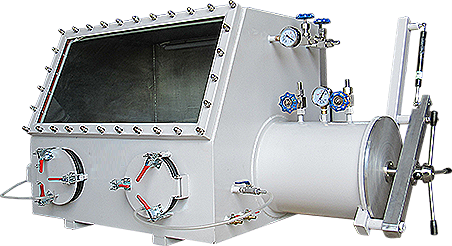

When you work with hazardous chemicals, your safety depends on more than just personal protective equipment. You need a controlled environment that prevents exposure, limits contamination, and ensures precision. That’s exactly where glove box systems become essential. By using a well-designed glove box, you create a sealed workspace that protects both you and your materials.
What Is a Glove Box System?
A glove box is a sealed enclosure that allows you to handle sensitive or hazardous substances through built-in gloves. You operate inside the chamber without directly touching the materials, maintaining isolation from the external environment. Whether you’re dealing with toxic chemicals, moisture-sensitive compounds, or reactive materials, this system provides a controlled atmosphere for safe handling.
If you’re exploring options, consider high-performance laboratory glove box systems for chemical containment safety.
Why Chemical Containment Matters
You already know that chemical exposure can lead to serious health risks, contamination, and even accidents. Without proper containment, airborne particles, vapors, or spills can escape into your lab environment. This not only endangers you but also compromises your experiments.
Glove box systems solve this by creating a barrier between hazardous substances and your surroundings. You gain a higher level of control, which is critical when working with volatile or sensitive compounds.
Key Ways Glove Box Systems Improve Safety
Complete Isolation from Hazardous Substances
When you use a glove box, you eliminate direct contact with dangerous chemicals. The sealed chamber prevents leaks and ensures that harmful vapors or particles don’t escape into your workspace. This significantly reduces inhalation risks and skin exposure.
Controlled Atmosphere for Sensitive Reactions
Some chemicals react with oxygen or moisture. Inside a glove box, you can maintain an inert atmosphere using gases like nitrogen or argon. This not only protects your materials but also prevents dangerous reactions that could occur in open air.
Enhanced Contamination Control
You don’t just protect yourself—you also protect your samples. A glove box minimizes contamination from dust, microbes, and other environmental factors. This is especially important in research, pharmaceuticals, and electronics manufacturing.
Improved Workflow Efficiency
With everything contained in one controlled environment, you can perform complex procedures without interruptions. You won’t need to constantly switch protective gear or relocate materials, which saves time and reduces errors.
Reduced Risk of Spills and Accidents
Accidental spills are a major concern in any lab. Inside a glove box, spills are contained within the enclosure. This prevents the spread of hazardous materials and makes cleanup safer and more manageable.
Applications Across Industries
You’ll find glove box systems used in a wide range of industries because of their versatility and safety benefits:
Pharmaceutical labs: Handling potent compounds safely
Chemical research: Managing reactive or toxic substances
Electronics manufacturing: Protecting moisture-sensitive components
Nuclear and defense: Containing radioactive or hazardous materials
No matter your field, integrating a glove box system enhances both safety and reliability.
Choosing the Right Glove Box System
Not all glove boxes are the same. To get the best results, you need to choose a system that fits your specific requirements. Consider the following factors:
Material compatibility: Ensure the construction suits your chemicals
Atmosphere control: Look for systems with precise gas regulation
Size and configuration: Match the workspace to your workflow
Filtration system: Opt for HEPA or ULPA filters for added protection
For reliable solutions, explore trusted cleanroom and containment equipment from CleaTech LLC.
Best Practices for Using a Glove Box
Even with advanced equipment, your safety depends on how you use it. Follow these actionable tips:
- Always inspect gloves and seals before starting work
- Maintain proper pressure levels inside the chamber
- Avoid overloading the glove box with materials
- Regularly clean and decontaminate the interior
- Monitor oxygen and moisture levels if using inert gas
By staying consistent with these practices, you maximize both safety and performance.
Long-Term Safety Benefits
Investing in a glove box system isn’t just about immediate protection—it’s about long-term safety and efficiency. You reduce workplace hazards, improve experimental accuracy, and comply with safety regulations. Over time, this leads to fewer incidents, better results, and increased confidence in your processes.
If you’re ready to upgrade your lab safety, take the next step contact us today for customized glove box system solutions.
FAQs About Glove Box Systems
What types of chemicals require a glove box?
You should use a glove box for toxic, reactive, air-sensitive, or moisture-sensitive chemicals. These systems are ideal for handling substances that pose inhalation or contamination risks.
How does a glove box differ from a fume hood?
A glove box provides a fully sealed environment, while a fume hood only ventilates harmful fumes. If you need complete isolation, a glove box is the better choice.
Can you customize a glove box system?
Yes, you can customize size, materials, filtration, and atmosphere control based on your specific application and industry needs.
How often should a glove box be maintained?
You should perform routine inspections before each use and schedule regular maintenance checks to ensure optimal performance and safety.
Is a glove box suitable for cleanroom environments?
Absolutely. Glove boxes are commonly used in cleanrooms to maintain contamination control and protect sensitive processes.