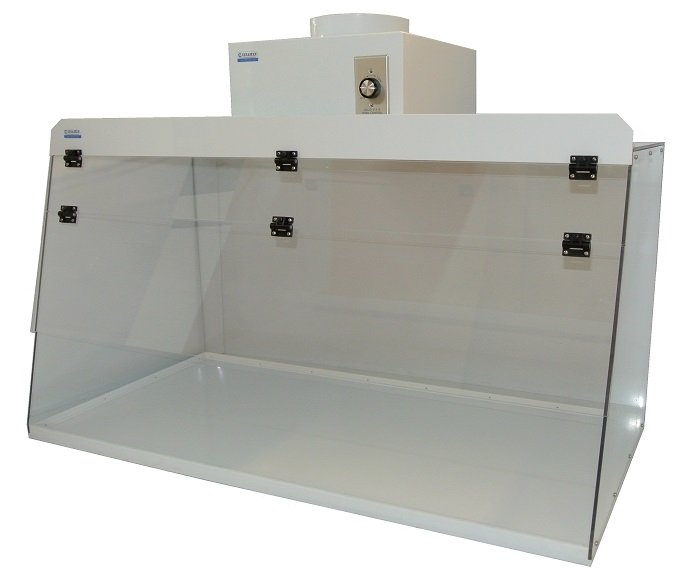

When you work with hazardous chemicals, maintaining a safe laboratory environment requires more than following basic safety procedures. You need reliable engineering controls that help protect you, your team, and your workspace from harmful fumes, vapors, and airborne contaminants. Choosing the right chemical fume hood plays a critical role in improving chemical handling safety by providing proper ventilation, containment, and protection during laboratory operations.
A well-designed fume hood helps you reduce exposure risks while working with volatile, corrosive, or toxic substances. Whether you operate a research laboratory, educational facility, pharmaceutical workspace, or industrial testing environment, selecting the correct ventilation system allows you to create a safer and more efficient chemical processing area.
Understand Your Chemical Safety Requirements First
Before selecting a chemical fume hood, you need to understand the types of chemicals you handle, their properties, and the risks involved. Different chemicals produce different levels of hazards, including toxic vapors, strong odors, corrosive fumes, and reactive substances.
You should evaluate factors such as:
- Chemical compatibility requirements
- Required airflow performance
- Frequency of chemical use
- Quantity of hazardous materials handled
- Laboratory space limitations
- Regulatory safety expectations
Understanding these factors helps you choose a fume hood designed specifically for your applications rather than selecting a solution based only on size or appearance.
Choose a Chemical Fume Hood Designed for Maximum Protection
The right ventilation system creates a controlled environment where hazardous fumes are captured before they spread throughout your laboratory. A high-quality chemical fume hood for safe handling of hazardous laboratory chemicals provides effective airflow management and helps maintain a safer workspace.
A properly selected chemical fume hood should offer:
- Consistent airflow performance
- Durable chemical-resistant construction
- Proper containment capabilities
- Easy maintenance access
- User-friendly operation features
Choosing a reliable system reduces the possibility of accidental exposure and supports safer daily laboratory practices.
Improve Airflow Management for Better Chemical Safety
Airflow performance is one of the most important factors affecting fume hood effectiveness. A poorly maintained or incorrectly sized hood may not provide adequate protection, even if it is made with high-quality materials.
You can improve safety by ensuring:
- The hood is correctly installed
- Air velocity remains within recommended levels
- The sash is positioned correctly during operation
- Airflow indicators are regularly checked
- Filters and components receive proper maintenance
Proper airflow management allows the hood to capture chemical vapors efficiently while preventing contaminants from escaping into your workspace.
Consider Chemical Compatibility and Construction Materials
The materials used in your fume hood directly impact long-term performance. When you work with aggressive chemicals, acids, solvents, or corrosive substances, your equipment must withstand chemical exposure.
Selecting a chemical-resistant system helps prevent:
- Surface damage
- Equipment deterioration
- Unexpected maintenance issues
- Reduced operational safety
For specialized applications, you should explore solutions such as advanced laboratory chemical fume hood systems built for demanding research environments that are designed to support various laboratory requirements.
Follow Proper Operating Practices
Even the best chemical fume hood requires correct operation to provide maximum protection. Your daily habits directly influence laboratory safety.
You should:
- Keep the sash at the recommended height
- Avoid storing unnecessary materials inside the hood
- Position chemicals away from airflow disruptions
- Keep the workspace clean and organized
- Avoid blocking air movement with large equipment
Good operating practices improve containment efficiency and reduce the chances of chemical exposure.
Maintain Your Chemical Fume Hood Regularly
Routine maintenance ensures your fume hood continues to perform effectively over time. Neglecting inspections or cleaning can reduce airflow efficiency and compromise safety.
A proper maintenance schedule should include:
- Checking airflow performance
- Inspecting mechanical components
- Cleaning internal surfaces
- Replacing worn parts when needed
- Reviewing safety performance regularly
Regular maintenance helps extend equipment life while supporting consistent chemical protection.
Select a Trusted Laboratory Equipment Provider
Your choice of supplier can significantly impact equipment quality, reliability, and long-term performance. Working with an experienced manufacturer helps you access solutions designed around your specific safety requirements.
CleaTech LLC provides laboratory equipment solutions designed for controlled environments, research facilities, and industrial applications. You can explore reliable options from CleaTech LLC for high-performance laboratory safety equipment and cleanroom solutions to support your facility’s operational needs.
If you need guidance in selecting the right system for your application, you can Contact us today for expert assistance with chemical fume hood selection and laboratory safety solutions.
Create a Safer Laboratory with the Right Chemical Fume Hood
Improving chemical safety starts with choosing equipment that matches your laboratory’s specific requirements. The right chemical fume hood provides effective containment, supports proper ventilation, and helps you create a safer working environment.
By evaluating your chemical processes, maintaining proper airflow, following safe operating practices, and investing in reliable laboratory equipment, you can reduce risks and improve workplace protection. A well-selected fume hood is not just a piece of laboratory equipment—it is an essential safety system that supports confident and responsible chemical handling.
Frequently Asked Questions
Why is a chemical fume hood important for laboratory safety?
A chemical fume hood protects you by capturing hazardous vapors, fumes, and airborne contaminants before they enter the laboratory environment. It reduces exposure risks and supports safer chemical handling procedures.
How do you choose the right chemical fume hood?
You should consider the chemicals used, required airflow, workspace requirements, construction materials, and safety standards. Selecting a hood based on your specific application ensures better protection and performance.
How often should a chemical fume hood be maintained?
Regular inspections and maintenance should be performed according to usage, manufacturer recommendations, and laboratory safety requirements to ensure consistent airflow and reliable protection.
Can a chemical fume hood handle corrosive chemicals?
Yes, many chemical fume hoods are designed with chemical-resistant materials to handle corrosive substances. However, you should select a model specifically suitable for your chemical applications.
What factors affect chemical fume hood performance?
Airflow quality, installation, maintenance, user practices, chemical placement, and proper operation all influence how effectively a chemical fume hood protects laboratory users.
