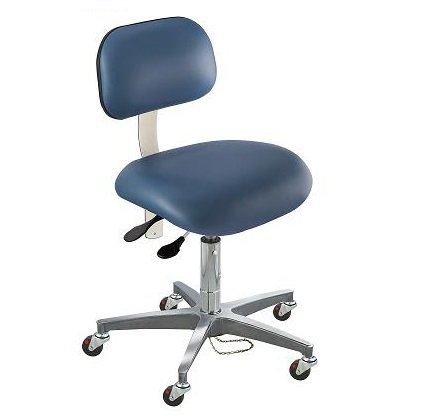

When you operate a GMP-compliant laboratory, every detail matters. From air quality to equipment placement, your facility must support cleanliness, safety, and process consistency. One often overlooked factor is the furniture inside the controlled environment. The right cleanroom furniture helps you maintain contamination control, improve workflow efficiency, and meet strict regulatory expectations.
Whether you manage a pharmaceutical lab, biotechnology facility, medical device manufacturing area, or research environment, your furniture directly impacts operational compliance. By choosing durable, easy-to-clean, and contamination-resistant furnishings, you create a workspace that aligns with Good Manufacturing Practice (GMP) standards.
Why GMP Standards Matter in Cleanroom Environments
GMP standards ensure that products are consistently produced and controlled according to quality requirements. These guidelines reduce risks related to contamination, cross-contamination, and human error. In regulated laboratories, every surface and component must support cleanliness and prevent particle generation.
Your laboratory furniture plays a significant role because it comes into constant contact with personnel, tools, and sensitive materials. Poor-quality furniture can release particles, trap contaminants, and create difficult-to-clean areas. This can compromise your cleanroom classification and increase the risk of failed inspections.
By investing in properly designed furniture, you strengthen your contamination control strategy and maintain regulatory compliance.
Supports Contamination Control
One of the primary functions of cleanroom furniture is contamination prevention. Traditional furniture often contains porous materials, exposed fasteners, wood, or fabric that collect dust and microbes. These materials are unsuitable for controlled environments.
High-quality cleanroom furniture is typically made from stainless steel, powder-coated steel, or non-shedding materials designed for particle-sensitive areas. Smooth surfaces and seamless construction reduce contamination buildup and simplify cleaning procedures.
Using specialized cleanroom furniture for GMP laboratory contamination control helps you minimize airborne particles and maintain cleaner workspaces throughout daily operations.
Improves Cleaning and Sanitization Efficiency
Routine cleaning is essential in GMP facilities. Your furniture should support fast and effective sanitization without degrading over time. Cleanroom furniture is specifically engineered to withstand repeated exposure to disinfectants, cleaning agents, and sterilization procedures.
Features such as rounded corners, crevice-free surfaces, and corrosion-resistant finishes eliminate hard-to-clean areas where bacteria and particles may accumulate. This allows your cleaning staff to sanitize the environment more efficiently and consistently.
When your furniture supports proper hygiene protocols, you reduce contamination risks while improving inspection readiness.
Enhances Employee Safety and Comfort
Employee performance directly affects GMP compliance. Uncomfortable or poorly designed workstations can increase fatigue, reduce productivity, and contribute to operational mistakes. Ergonomic cleanroom furniture helps your staff maintain proper posture and comfort during extended work periods.
Adjustable seating, supportive stools, and stable workstations improve workflow efficiency while supporting employee well-being. Cleanroom-compatible chairs and benches are designed to provide comfort without introducing contaminants into sensitive environments.
When your staff works comfortably, you improve operational accuracy and maintain better adherence to laboratory procedures.
Prevents Material Degradation in Controlled Areas
Standard furniture may deteriorate quickly when exposed to harsh cleanroom chemicals, humidity, or sterilization processes. Rust, peeling coatings, and damaged surfaces can introduce contaminants into your facility.
Cleanroom furniture is designed for long-term durability under controlled environmental conditions. Stainless steel options resist corrosion, while specialized coatings prevent particle shedding and chemical damage.
Choosing durable furniture reduces maintenance requirements and extends the lifespan of your cleanroom investments. This helps you maintain consistent GMP compliance while lowering long-term operational costs.
Supports Organized Laboratory Workflows
Efficient organization is essential in GMP laboratories. Cluttered or poorly arranged workspaces increase the risk of contamination, labeling errors, and workflow interruptions. Cleanroom furniture supports organized material handling and optimized workspace design.
Storage cabinets, mobile carts, ergonomic chairs, and modular workstations help you create clearly defined operational zones. This improves movement efficiency and reduces unnecessary personnel traffic inside controlled environments.
A well-organized cleanroom also simplifies audits and demonstrates your commitment to maintaining GMP standards.
Reduces Cross-Contamination Risks
Cross-contamination is one of the biggest concerns in pharmaceutical and laboratory environments. Furniture designed specifically for cleanrooms helps reduce this risk by minimizing particle accumulation and simplifying disinfection procedures.
Mobile cleanroom seating and workstations can also be dedicated to specific operational areas, reducing the transfer of contaminants between zones. Antimicrobial surfaces and non-porous materials provide additional protection in sensitive applications.
Using properly designed furniture supports your overall contamination control strategy and helps protect product quality.
Meets Industry-Specific Compliance Requirements
Different industries have unique cleanroom and GMP requirements. Pharmaceutical labs, biotechnology facilities, semiconductor manufacturers, and medical device companies all require furniture that supports regulatory standards.
Professional cleanroom furniture solutions for GMP-certified laboratories are designed to meet the strict expectations of controlled environments. These products support compliance with ISO cleanroom classifications and FDA manufacturing guidelines.
By selecting industry-appropriate furniture, you demonstrate a proactive approach to quality assurance and regulatory readiness.
Increases Long-Term Operational Value
Although specialized cleanroom furniture may require a higher initial investment, it provides long-term operational benefits. Durable materials, easy maintenance, and improved contamination control reduce replacement costs and operational disruptions.
Reliable furniture also minimizes downtime associated with inspections, cleaning failures, or contamination incidents. This helps you maintain productivity while protecting product quality and laboratory performance.
Investing in the right cleanroom furnishings strengthens both compliance and operational efficiency.
Choose the Right Cleanroom Furniture for Your Facility
Selecting furniture for your cleanroom requires careful consideration of your laboratory classification, workflow needs, and cleaning protocols. You should evaluate material compatibility, ergonomic design, durability, and contamination control performance before purchasing.
Working with an experienced cleanroom equipment provider helps you identify furniture solutions that align with your GMP goals and facility requirements.
If you are planning to upgrade your laboratory environment, contact us today for expert cleanroom furniture guidance and customized solutions designed for GMP-compliant facilities.
FAQs
What is cleanroom furniture?
Cleanroom furniture is specially designed equipment made from non-shedding, easy-to-clean materials suitable for controlled environments where contamination control is essential.
Why is cleanroom furniture important for GMP laboratories?
Cleanroom furniture helps maintain cleanliness, supports contamination control, improves sanitization, and ensures compliance with GMP and ISO cleanroom standards.
Which materials are best for cleanroom furniture?
Stainless steel, powder-coated steel, and non-porous materials are commonly used because they resist corrosion, minimize particle generation, and support frequent cleaning.
How does cleanroom furniture reduce contamination?
It uses smooth, seamless, and easy-to-sanitize surfaces that prevent dust accumulation, microbial growth, and particle shedding in controlled environments.
Can ergonomic furniture improve GMP compliance?
Yes. Ergonomic cleanroom furniture improves employee comfort, reduces fatigue, and supports accurate laboratory procedures, helping maintain operational consistency and compliance.
