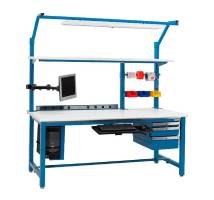

Designing an efficient laboratory workspace requires careful planning, attention to workflow, and the right equipment choices. A well-designed lab workbench helps you improve productivity, maintain safety standards, organize tools effectively, and create a comfortable environment for precise experiments. Whether you operate a research facility, manufacturing laboratory, educational institution, or testing center, your workbench design directly impacts daily operations.
A functional laboratory setup should support your specific tasks while providing durability, accessibility, and long-term performance. By considering factors such as workspace layout, material selection, ergonomics, storage, and safety requirements, you can create a lab environment that maximizes efficiency and minimizes unnecessary interruptions.
How Do You Determine the Right Lab Workbench Design?
Before selecting a workbench, you should evaluate your laboratory workflow and understand how you use the workspace. Consider the type of experiments, equipment placement, frequency of use, and required safety measures.
Start by identifying:
- The instruments and devices that will be placed on the workbench
- The amount of workspace required for daily activities
- The weight capacity needed for equipment
- The chemical or environmental conditions of the laboratory
- The storage requirements for tools and materials
A properly planned workspace prevents overcrowding and ensures that every essential item remains within easy reach. You should design your workbench around your workflow instead of adjusting your workflow around the furniture.
Why Is Material Selection Important for Laboratory Efficiency?
The material of your laboratory workbench plays a major role in durability, maintenance, and performance. Different laboratory applications require different surface properties.
For environments involving chemicals, moisture, or frequent cleaning, you should choose materials that provide resistance and long-term reliability. A strong work surface helps reduce damage, supports heavy equipment, and maintains a professional laboratory environment.
When selecting a workbench surface, consider:
- Chemical resistance
- Heat resistance
- Load capacity
- Ease of cleaning
- Resistance to scratches and wear
A durable long-lasting Lab Workbench for laboratory research and industrial applications can provide the stability and functionality required for demanding laboratory operations.
How Can Ergonomic Design Improve Lab Productivity?
Ergonomics is one of the most important aspects of efficient laboratory design. Researchers and technicians often spend several hours working at their stations, so comfort and accessibility should not be overlooked.
An ergonomic workbench design helps you:
- Reduce physical strain
- Improve working posture
- Increase concentration
- Minimize repetitive stress
- Perform tasks more efficiently
You should consider adjustable height options, proper seating arrangements, sufficient legroom, and equipment placement when designing your workspace. A comfortable environment allows you to maintain productivity during long laboratory sessions.
How Should You Organize Equipment on a Lab Workbench?
Effective organization is essential for creating a high-performance laboratory. Poor equipment placement can slow down procedures and increase the chances of mistakes.
Follow these organization practices:
Keep Frequently Used Tools Accessible
Place commonly used instruments, samples, and supplies within easy reach. This reduces unnecessary movement and saves valuable working time.
Create Dedicated Work Zones
Divide your workbench into specific areas for preparation, testing, analysis, and documentation. This creates a structured workflow and prevents contamination or confusion.
Manage Cables and Connections
Proper cable management keeps your workspace clean and reduces safety risks. Use designated pathways for electrical connections and avoid clutter around critical equipment.
What Storage Features Should You Include?
Storage solutions help maintain an organized and efficient laboratory. A workbench should provide enough space for essential supplies without limiting your working area.
Useful storage options include:
- Drawers for small tools and accessories
- Cabinets for materials and equipment
- Shelving systems for frequently accessed items
- Dedicated spaces for safety equipment
A well-organized storage system improves workflow by allowing you to quickly locate necessary materials during experiments.
How Does Safety Influence Workbench Design?
Safety should always be a priority when designing a laboratory workspace. Your workbench should support safe handling practices and comply with laboratory requirements.
Important safety considerations include:
- Using chemical-resistant surfaces
- Maintaining proper ventilation around equipment
- Keeping emergency equipment accessible
- Avoiding overcrowded work areas
- Providing adequate lighting
A carefully designed workbench reduces workplace hazards and supports a safer laboratory environment.
How Can You Create a Future-Ready Laboratory Workspace?
Laboratory requirements often change as research projects expand and technology improves. When designing your workbench, consider future flexibility.
Choose solutions that allow you to:
- Add new equipment easily
- Modify workspace arrangements
- Upgrade storage systems
- Adapt to changing laboratory needs
A flexible design helps you avoid frequent replacements and supports long-term laboratory growth.
Why Choose Professional Laboratory Workbench Solutions?
Selecting the right laboratory furniture provider ensures that your workspace meets performance, durability, and safety expectations. Professional solutions are designed to support specialized laboratory environments while improving operational efficiency.
CleaTech LLC provides laboratory equipment and workspace solutions designed for research facilities, industrial applications, and controlled environments. By choosing reliable laboratory furniture, you can create a workspace that supports accuracy, productivity, and long-term performance.
If you need assistance selecting the right laboratory setup or customized workspace solution, you can Contact us today to discuss your requirements.
Frequently Asked Questions
What factors should you consider when designing a lab workbench?
You should consider workspace size, material durability, equipment requirements, ergonomics, storage needs, and safety standards. These factors help create a functional and efficient laboratory environment.
Which material is best for a laboratory workbench?
The best material depends on your application. Chemical-resistant and durable surfaces are ideal for laboratories requiring frequent cleaning, heavy equipment support, or exposure to demanding conditions.
How can a lab workbench improve productivity?
A properly designed workbench improves organization, reduces unnecessary movement, supports better workflow, and provides a comfortable workspace for performing laboratory tasks efficiently.
Why is ergonomics important in laboratory workbench design?
Ergonomic design reduces physical discomfort, improves posture, and helps technicians maintain productivity during extended laboratory operations.
Can lab workbenches be customized for different applications?
Yes, laboratory workbenches can be designed with different sizes, materials, storage options, and configurations to meet specific research, testing, and industrial requirements.
