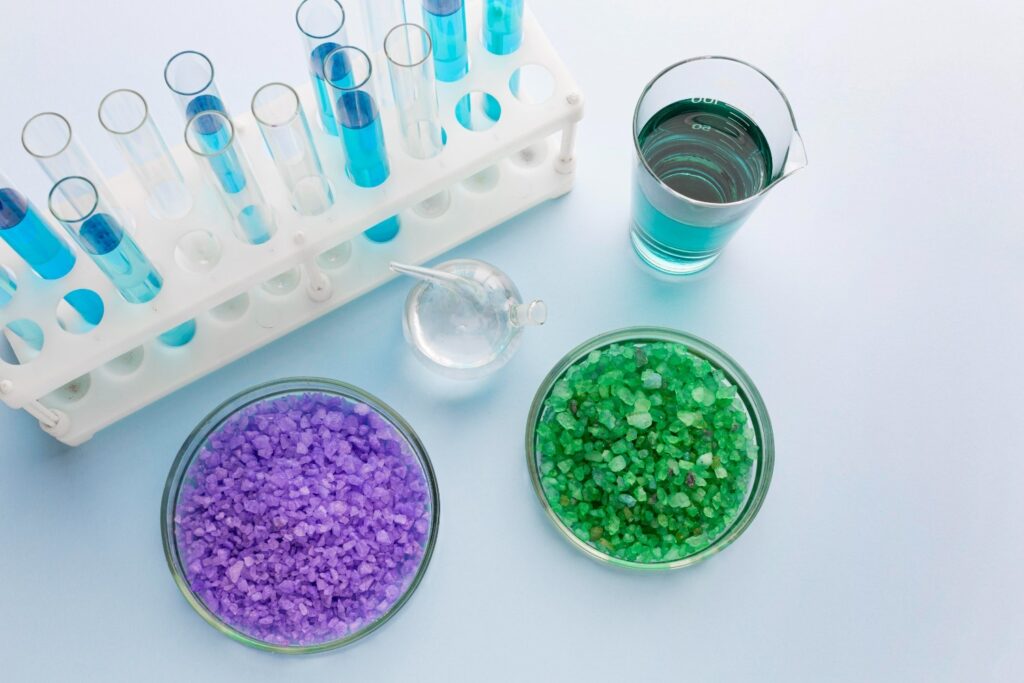

When you design or optimize a bioprocess, one of the most critical decisions you make is choosing the right purification strategy. At the center of that strategy lies your resin selection. If you overlook this step or treat it as routine, you risk compromising yield, purity, scalability, and even regulatory compliance. That’s why understanding how Protein Purification Resin impacts your workflow is essential to achieving consistent and high-quality results.
Understanding the Role of Resin in Bioprocessing
In any protein production pipeline, purification is where you refine your product from a complex mixture into a usable, high-purity biomolecule. The resin you choose acts as the backbone of this process. It determines how efficiently your target protein binds, how selectively impurities are removed, and how easily your product can be eluted without degradation.
When you select the right high-performance Protein Purification Resin for antibody and protein isolation, you improve not only the purity of your final product but also the overall efficiency of your workflow. Poor resin choice, on the other hand, can lead to low binding capacity, nonspecific interactions, and costly reprocessing steps.
How Resin Selection Impacts Yield and Purity
You already know that yield and purity are the two most important metrics in protein purification. What you may underestimate is how directly resin selection affects both.
A well-matched resin offers:
- High binding affinity for your target protein
- Minimal interaction with contaminants
- Stable performance across multiple cycles
For example, if you are working with monoclonal antibodies, using a resin with strong affinity—such as Protein A-based media—can drastically increase recovery rates. Choosing a reliable Protein Purification Resin for high-yield bioprocess applications ensures that you retain more of your target protein while eliminating unwanted host cell proteins and aggregates.
Scalability Starts with the Right Resin
What works in a small-scale lab setup doesn’t always translate to industrial production. Resin selection plays a key role in ensuring that your process scales smoothly.
You need to consider:
- Flow rate compatibility
- Mechanical stability under pressure
- Reusability across multiple cycles
If your resin cannot handle increased flow rates or pressure conditions, you’ll face bottlenecks during scale-up. By choosing a scalable Protein Purification Resin for industrial bioprocessing, you set yourself up for seamless transition from research to production.
Cost Efficiency and Process Optimization
Every decision you make in bioprocessing affects your bottom line. Resin may seem like a consumable expense, but its impact goes far beyond initial cost.
A high-quality resin:
- Reduces the number of purification steps
- Minimizes product loss
- Extends lifecycle through reuse
When you invest in the right cost-effective Protein Purification Resin for downstream processing, you lower operational costs over time. Cheaper alternatives often lead to inconsistent results, forcing you to repeat runs and consume more resources.
Compatibility with Your Target Protein
Not all proteins behave the same. Factors like size, charge, hydrophobicity, and structure influence how they interact with purification resins.
You should evaluate:
- Binding mechanism (affinity, ion exchange, hydrophobic interaction)
- Buffer conditions and pH stability
- Elution requirements
Selecting a customized Protein Purification Resin for specific protein characteristics allows you to fine-tune your process. This ensures that your protein maintains its structure and functionality throughout purification.
Regulatory Compliance and Reproducibility
If your work involves therapeutic proteins or biologics, regulatory standards are non-negotiable. Resin choice directly affects your ability to meet these requirements.
You need consistency across batches. A well-characterized resin provides:
- Reproducible performance
- Documented quality standards
- Compliance with industry guidelines
Working with a trusted provider like advanced protein purification solutions by Lytic Solutions, LLC helps you maintain process integrity and meet regulatory expectations with confidence.
Reducing Risk in Downstream Processing
Every step in your purification process carries some level of risk—product degradation, contamination, or loss. The right resin minimizes these risks by offering predictable and stable performance.
When you use a robust Protein Purification Resin for reliable downstream purification, you reduce variability and ensure consistent outcomes. This is especially critical in clinical and commercial production, where even small inconsistencies can have major consequences.
Partnering with the Right Supplier
Resin selection isn’t just about the material—it’s also about the expertise behind it. A knowledgeable supplier can guide you in choosing the best option for your application.
By exploring premium Protein Purification Resin for efficient antibody purification, you gain access to solutions designed to meet both research and industrial needs. Additionally, working with an experienced provider ensures you receive technical support, optimization guidance, and reliable supply chains.
If you’re looking to refine your process or solve purification challenges, it’s always a smart move to Contact us today and discuss your specific requirements with experts.
Final Thoughts
Your resin choice is not just a technical detail—it’s a strategic decision that shapes the success of your entire bioprocess. From improving yield and purity to enabling scalability and compliance, the right resin gives you control over your outcomes.
When you approach resin selection thoughtfully, you eliminate inefficiencies, reduce costs, and enhance product quality. In a field where precision matters, that advantage is invaluable.
FAQs
What is Protein Purification Resin used for?
Protein Purification Resin is used to isolate and purify target proteins from complex biological mixtures. It works by selectively binding proteins based on specific interactions such as affinity, charge, or hydrophobicity.
How do I choose the right Protein Purification Resin?
You should consider your protein’s properties, required purity level, scalability needs, and process conditions. Matching these factors with the resin’s characteristics ensures optimal performance.
Why is resin selection important in bioprocessing?
Resin selection affects yield, purity, cost, and scalability. A poor choice can lead to product loss, contamination, and inefficient workflows.
Can one resin be used for all types of proteins?
No, different proteins require different purification strategies. You need to select a resin tailored to your specific protein’s structure and behavior.
How does resin impact process scalability?
Resin determines flow rates, pressure tolerance, and reusability. Choosing a scalable resin ensures smooth transition from lab-scale to industrial production.
How often can Protein Purification Resin be reused?
High-quality resins can be reused multiple times if properly maintained and cleaned, making them cost-effective for long-term use.
Where can I find reliable Protein Purification Resin solutions?
You can explore trusted providers offering specialized resins and expert support to optimize your purification process and ensure consistent results.