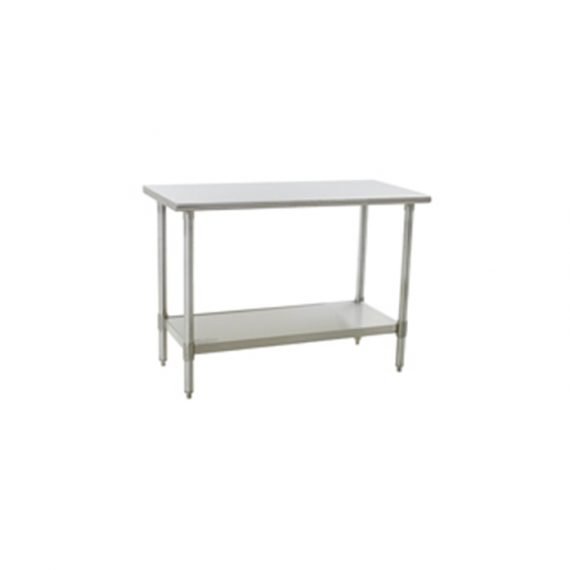

When you operate in a cleanroom, pharmaceutical lab, electronics facility, or research environment, every surface around you affects contamination control. The furniture you choose is not just about durability or appearance—it directly influences cleanliness, compliance, and workflow efficiency. That’s exactly why a stainless steel lab table fits clean environments better than most other work surfaces.
If you want consistent hygiene, easy maintenance, and long-term performance, you need a solution designed specifically for controlled spaces. Here’s how you can determine why this equipment is the right investment for your clean environment.
You Get a Non-Porous, Contamination-Resistant Surface
In clean environments, particles, microbes, and chemical residues are your biggest enemies. Stainless steel provides a non-porous surface that does not absorb moisture, chemicals, or biological contaminants. Unlike wood or laminated tables, it doesn’t trap particles in cracks or fibers.
When you install a high-quality industrial stainless steel lab table for cleanroom environments, you minimize the risk of cross-contamination. You can disinfect it thoroughly without worrying about surface degradation.
This means you spend less time managing contamination and more time focusing on your core lab operations.
You Improve Cleanroom Compliance
If you operate under ISO classifications or GMP guidelines, material selection matters. Stainless steel is widely accepted in pharmaceutical, semiconductor, biotechnology, and medical device facilities because it meets strict cleanliness and corrosion-resistance standards.
When you choose a properly designed stainless steel lab table, you support:
- ISO cleanroom compliance
- Easy wipe-down procedures
- Chemical resistance during sanitization
- Long-term structural integrity
In regulated environments, compliance is not optional. Choosing appropriate cleanroom furniture helps you stay audit-ready at all times.
You Gain Chemical and Corrosion Resistance
In laboratories, you regularly handle acids, solvents, disinfectants, and cleaning agents. Many materials degrade over time when exposed to harsh chemicals. Stainless steel, especially 304 or 316 grades, resists corrosion even with repeated exposure.
This durability ensures that your table:
- Doesn’t rust
- Doesn’t stain easily
- Maintains a smooth surface
- Withstands aggressive cleaning protocols
When you invest in equipment from trusted manufacturers like CleaTech LLC cleanroom equipment manufacturer, you ensure that your work surfaces are built specifically for controlled environments, not adapted from general industrial furniture.
You Simplify Cleaning and Maintenance
Clean environments demand frequent cleaning schedules. A stainless steel surface allows you to:
- Wipe down quickly between processes
- Use alcohol, peroxide, or other disinfectants safely
- Avoid particle shedding
- Prevent microbial growth
You don’t need specialized cleaners. You don’t need excessive maintenance. A simple routine cleaning protocol keeps your lab table in top condition.
Because the material doesn’t crack or chip easily, you eliminate hidden areas where contamination can accumulate.
You Enhance Structural Strength and Stability
Cleanrooms often house sensitive equipment such as microscopes, wafer processing tools, or precision instruments. Your work surface must remain stable under weight and vibration.
Stainless steel lab tables provide:
- High load-bearing capacity
- Structural rigidity
- Long lifespan under heavy use
- Resistance to warping
When your work involves delicate measurements or assembly, a stable workstation improves both safety and accuracy.
You Reduce Long-Term Costs
While stainless steel may have a higher upfront cost than laminate or wood tables, you save money over time. You avoid:
- Frequent replacements
- Surface repairs
- Rust damage
- Contamination-related product loss
A durable stainless steel lab table can serve your facility for many years without structural failure. That long service life lowers your total cost of ownership.
You Support Modular and Custom Configurations
Clean environments are rarely one-size-fits-all. You may require:
- Adjustable height tables
- Perforated shelves
- Casters for mobility
- Integrated storage
- Cleanroom-compatible accessories
Modern stainless steel lab tables are available in customizable designs. This flexibility allows you to optimize workflow, improve ergonomics, and maximize usable space.
When your workspace is well-designed, your team works more efficiently and safely.
You Maintain a Professional, Controlled Appearance
First impressions matter, especially during audits or client visits. Stainless steel surfaces convey cleanliness, order, and professionalism. Scratched laminate or chipped wood can undermine confidence in your contamination control practices.
A polished stainless steel lab table reflects your commitment to maintaining high standards.
You Ensure Compatibility with Advanced Cleanroom Systems
If your facility uses HEPA filtration, laminar airflow systems, or ESD controls, stainless steel integrates seamlessly into these setups. It does not generate particles and is compatible with electrostatic discharge precautions when properly grounded.
This makes it suitable for:
- Semiconductor fabrication
- Electronics assembly
- Pharmaceutical compounding
- Biotechnology research
- Aerospace component handling
In each of these industries, material compatibility is critical.
You Invest in Long-Term Reliability
Ultimately, clean environments demand predictability. You cannot afford equipment failure, contamination risk, or unexpected maintenance.
A stainless steel lab table offers:
- Reliability
- Resistance
- Compliance
- Cleanability
- Strength
If you are upgrading your cleanroom infrastructure, choosing a purpose-built solution from an experienced supplier makes a measurable difference. For expert guidance on selecting the right configuration, Contact us today for stainless steel lab table solutions and discuss your cleanroom requirements with specialists who understand controlled environments.
Frequently Asked Questions
Why is a stainless steel lab table better for cleanrooms than wood or laminate?
Stainless steel is non-porous, corrosion-resistant, and easy to sanitize. Wood and laminate can absorb moisture, harbor bacteria, and degrade over time under harsh cleaning protocols.
What grade of stainless steel is best for clean environments?
Grade 304 stainless steel is commonly used for general cleanrooms. For environments exposed to aggressive chemicals or salt, 316 stainless steel offers superior corrosion resistance.
Can stainless steel lab tables handle heavy equipment?
Yes. Stainless steel lab tables are designed for high load capacity and structural stability, making them ideal for microscopes, testing instruments, and fabrication tools.
Are stainless steel lab tables compatible with ISO cleanrooms?
Yes. Properly designed stainless steel lab tables are widely used in ISO-classified cleanrooms because they support contamination control and easy sanitation.
How do you maintain a stainless steel lab table?
Regular wiping with approved disinfectants or mild cleaning solutions is typically sufficient. Avoid abrasive cleaners that may scratch the surface.
