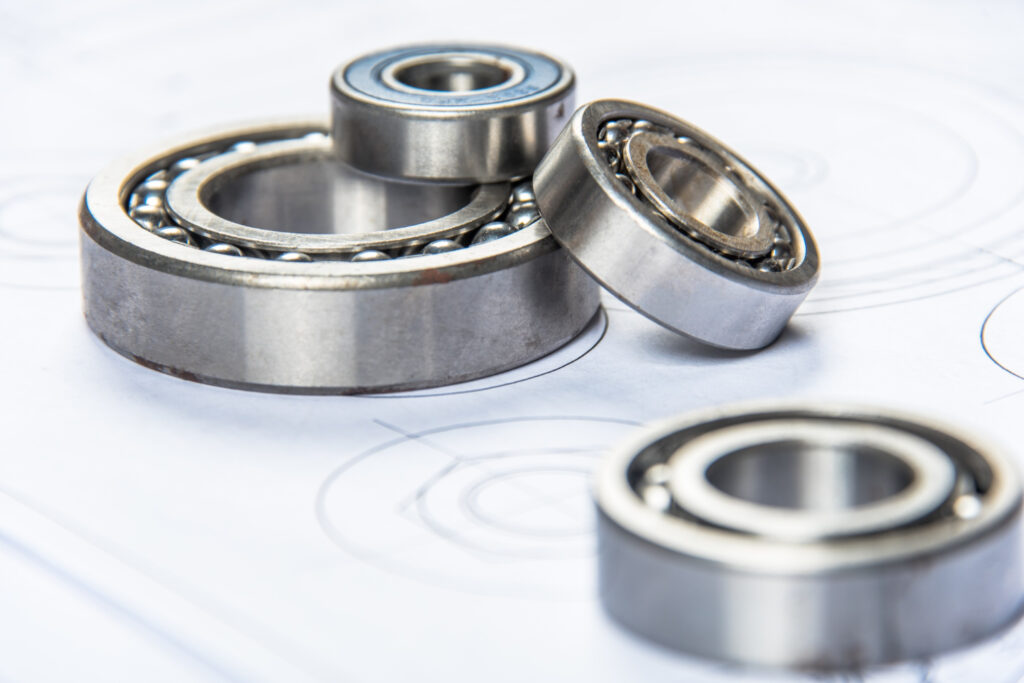

Understanding the common types of failures in bearings is crucial to extend machine service life and ensure operational efficiency. Many factors can contribute to premature wear, including inadequate lubrication, incorrect installation, and contamination. By identifying these failures, it is possible to implement the necessary adjustments for improved bearing performance. Adopting appropriate maintenance practices not only ensures consistent performance but also reduces costs associated with frequent replacements, since these practices prevent common issues and preserve components longer. A monitoring and diagnostics regimen is another vital strategy, as it helps proactively identify problems before they escalate, enabling preventive interventions and avoiding unplanned downtime that affects productivity. Combined, these elements provide a comprehensive and effective approach to bearing management.
Understanding Common Bearing Failures
Understanding the common types of failures in ball bearings is crucial to extend machine service life and ensure operational efficiency. Many factors can contribute to premature wear, including inadequate lubrication, incorrect installation, and contamination. By identifying these failures, it is possible to implement the necessary adjustments for improved bearing performance.
Adopting appropriate maintenance practices not only ensures consistent performance but also reduces costs associated with frequent replacements, since these practices prevent common issues and preserve components longer. A monitoring and diagnostics regimen is another vital strategy, as it helps proactively identify problems before they escalate, enabling preventive interventions and avoiding unplanned downtime that affects productivity. Combined, these elements provide a comprehensive and effective approach to bearing management.
Excessive Wear
Excessive wear represents a significant issue, generally caused by inadequate lubrication or the presence of contaminants. When bearing lubrication is deficient, metallic surfaces come into direct contact, resulting in increased friction that accelerates wear. To make matters worse, contaminants such as dust or metallic particles can enter the lubrication system, intensifying deterioration.
The occurrence of excessive wear can manifest in daily operations in several ways. One of the most evident consequences is the appearance of abnormal vibration and excessive noise during operation, potentially indicating abnormalities that must be investigated. These vibrations not only compromise machine performance but can also signal severe wear, promoting more serious failures if not corrected in time.
Lubricant Monitoring
The solution to mitigate excessive wear is directly related to the implementation of effective preventive measures. Regularly monitoring lubricant condition is essential. This practice involves checking quality, cleanliness, and proper quantity at regular intervals, ensuring that the oil or grease used is within the specifications recommended by the manufacturer. Periodic lubricant replacement is recommended to avoid the buildup of contaminants that can damage bearings.
Correct Lubricant Application
Beyond monitoring, it is equally important to ensure application of the correct amount of lubricant. Insufficient quantity will not adequately protect the surfaces, while excess can cause increased pressure and temperature, resulting in system failures. Thus, preventive maintenance—through a well-structured monitoring and diagnostics program—plays a decisive role in mitigating risks associated with excessive wear. When these care measures and appropriate maintenance practices are followed, not only is failure frequency reduced, but bearing service life—and consequently machine life—is extended.
Corrosion
Among the various challenges bearings face, corrosion is one of the most detrimental causes of failure. This problem is generally generated by moisture or acids present in the operating environment. It is crucial to identify environmental conditions that may trigger corrosion, as they contribute significantly to bearing wear.
Corrosion Identification
One of the most evident signs of corrosion in bearings is reddish staining or the presence of rust. These signs indicate that the bearing material is being chemically attacked by external elements. Early identification of these stains is fundamental to avoid more severe damage. The earlier corrosion is identified, the faster corrective measures can be implemented to protect the bearings.
How to Correct Corrosion
To correct corrosion, it is essential to take measures that protect bearings against the elements causing this degradation. An effective way to prevent corrosion is to properly seal the bearings. In this context, using quality seals is crucial to prevent the entry of moisture and corrosive particles. In addition, using anti-corrosion lubricants is recommended, as they create a protective barrier on bearing surfaces.
Implementing proper maintenance practices—such as replacing lubricants regularly in accordance with the manufacturer’s specifications—also helps prevent corrosion. A continuous monitoring and diagnostics regimen is equally vital. Such monitoring enables early identification of inadequate performance or corrosion signs, facilitating quick interventions to avoid unplanned downtime and extend machine life.
By understanding the mechanisms that lead to corrosion and implementing prevention strategies, it is possible to ensure that bearings operate effectively and with greater longevity, minimizing costs associated with frequent replacements and maximizing operational productivity.
Misalignment
Misalignment is one of the main causes of bearing failures and occurs when the shaft is not properly aligned with the bearing. This condition may initially manifest subtly, but if not corrected, it will lead to uneven component wear, resulting in premature failures.
When a bearing is misaligned, the load is not evenly distributed over its contact surfaces. This creates zones of excessive wear, faster material degradation, and often a significant increase in operating temperature. These factors not only compromise bearing life but can also affect other machine components.
Alignment Instruments
One of the most effective solutions to prevent misalignment is the use of alignment instruments. These devices help adjust and ensure that components are properly set. Tools such as laser shaft alignment systems are employed to verify the correct positioning between shaft and bearing, providing precise measurements essential to correct misalignment.
In addition, applying alignment techniques during installation can significantly reduce the incidence of later misalignments. Adequate training for operators and technicians is crucial to ensure all alignment procedures are correctly followed, thereby increasing bearing efficiency and longevity.
In summary, ensuring correct alignment not only extends bearing life but also contributes to the reduction of noise and vibration, improving overall machine performance. Incorporating precise alignment practices into your maintenance regimen is an essential step to avoid larger problems in the future and optimize operational productivity.
Surface Fatigue
Surface fatigue is a frequent issue during bearing use and results from excessive or improper loads applied to the bearing. This condition compromises component integrity and can lead to significant equipment failures.
Result of Excessive or Improper Loads
When a bearing is subjected to loads beyond its designed capacity—or when loads are not properly aligned—surface fatigue occurs. This situation results in visible damage that, if untreated, can worsen, causing further mechanical problems. Improper loads not only accelerate wear but also place unnecessary stress on other machine parts, affecting overall efficiency.
Flaking or Fractured Areas
Visually, surface fatigue in bearings can manifest as flaking (spalling) or fractures on the surface. This type of damage occurs because the surface cannot withstand the continuous stress caused by uneven and excessive forces. As damage progresses, the bearing loses functionality, leading to less precise operation and, eventually, total failure.
Reducing Loads and Ensuring Proper Parameters
To mitigate the effects of surface fatigue, it is fundamental to reduce excessive loads and ensure that bearings are operating within design parameters. This means performing a detailed analysis of operating conditions and adjusting loads as necessary, ensuring they fall within the limits recommended by the manufacturer. In addition, it is essential to continuously monitor bearing performance and make proactive adjustments to keep load levels within ideal ranges.
By implementing these measures, bearing life can be significantly prolonged. A preventive maintenance program and periodic adjustments contribute to robust performance, avoiding unexpected failures and unnecessary expenses. In this way, machines not only operate more effectively but also benefit from longer service life, ensuring a satisfactory return on investment.
Conclusion
In the industrial world, ball bearings play a crucial role in various machines and equipment. However, failures in these components are common and can result in unplanned downtime and high costs. Recognizing failure types and their causes helps avoid these undesired situations.
One of the most frequent failure types in ball bearings is material fatigue, which occurs when bearings are subjected to cyclic loads beyond their design capability. Fatigue manifests as flaking or spalling on bearing surfaces. To mitigate this issue, it is essential that applied loads remain within specifications and that bearings are properly sized for their applications.
Another common challenge is inadequate lubrication, which can result in excessive friction, heat, and accelerated wear. Using the correct lubricant, in the right amount, and maintaining it at the recommended frequency is crucial for bearing performance.
Contamination is also a significant cause of failures. Solid particles, moisture, and other contaminants can penetrate bearings and damage their surfaces. Solutions include effective sealing and maintaining clean operating environments.
Additionally, improper installation leads to premature failures. Using the proper tools and following manufacturer guidelines during installation is fundamental to ensure correct bearing operation.
In conclusion, understanding common bearing failures helps extend machine life. Implementing adequate maintenance practices ensures consistent performance and reduces costs from frequent replacements. Finally, adopting a monitoring and diagnostics regimen to identify problems proactively before they worsen ensures the efficient and safe operation of industrial equipment.